The Future of Agentic AI in Enterprise Workflows
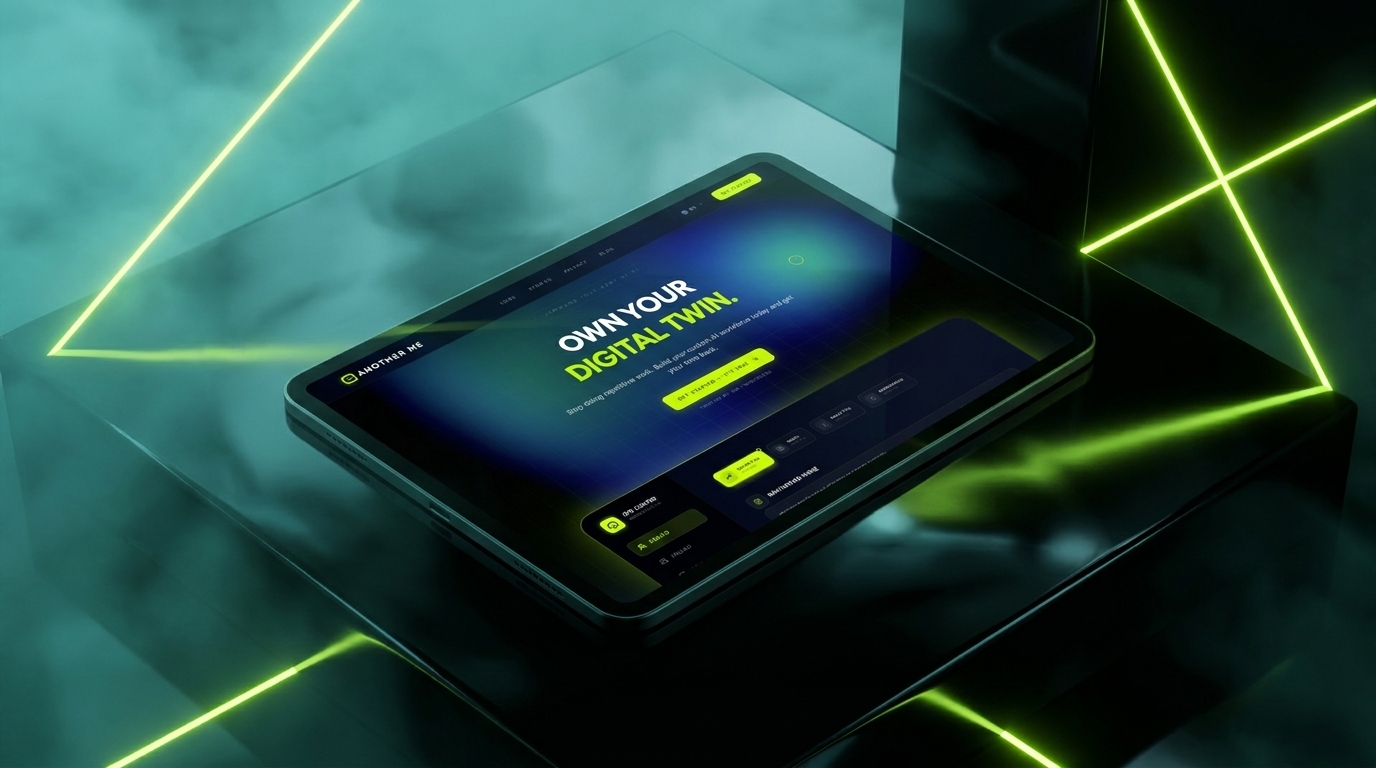
How autonomous digital twins are moving beyond simple chatbots to execute complex, multi-step tasks across integrated enterprise systems. The era of agentic workflows is here.
The Evolution of Digital Assistants
For the past decade, enterprise AI has largely been confined to analytical models and conversational chatbots. While useful for answering queries or identifying patterns, these systems inherently require human intervention to act upon the information they provide.
Enter Agentic AI. Unlike traditional models that wait for prompts, agentic systems are designed with autonomy in mind. They can reason, plan, and execute sequences of actions across multiple software platforms to achieve a high-level goal.
"We are no longer building software that people use; we are building software that works alongside people."
Architecture of an Autonomous Agent
Building an agentic system requires a fundamental shift in architecture. At Hubcom, our approach centers on a tri-layered structure:
- Cognitive Layer: Powered by advanced LLMs, responsible for interpreting goals and planning steps.
- Execution Layer: A secure sandbox where the agent interacts with APIs, databases, and third-party tools.
- Verification Layer: An independent constraint-checking system that ensures the agent's actions remain within business parameters.
What's Next?
As these systems mature, the definition of a digital product will evolve. User interfaces will become less about giving commands and more about setting goals and reviewing outcomes.